Every few months, a new AI tool arrives, and the same question resurfaces online: is this the thing that finally takes my job? The honest answer is more nuanced than "yes" or "no." For most people, AI isn't replacing jobs outright; it's rewriting what those jobs look like day to day. Understanding why this shift is happening, what is actually changing, where it's happening fastest, how it plays out in real workplaces, and which jobs are most affected can help you see past the headlines and prepare for what's actually coming.
Why Is This Question Even Being Asked?
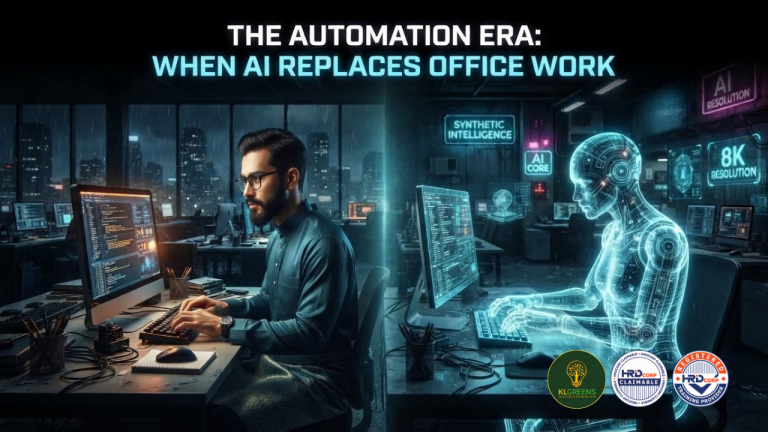
AI has crossed a threshold. It's no longer just automating repetitive manual tasks; it's now capable of writing, analyzing, designing, and making decisions that used to require a trained human. That leap is why the conversation has shifted from "AI helps me work faster" to "AI might not need me at all."
A few forces are driving the anxiety:
Speed of adoption — Generative AI tools went from niche to mainstream in a matter of months, not years, leaving little time for workers or companies to adjust gradually.
Visibility of white-collar impact — Earlier waves of automation mostly affected factory and manual labor. This wave touches writing, coding, customer service, and analysis jobs many assumed were "safe."
Economic pressure — Companies under cost pressure see AI as a way to do more with fewer people, which understandably makes employees nervous.
The question isn't going away because the technology keeps improving. But "will AI take my job?" and "will AI change my job?" are actually two very different questions, and most evidence points to the second one being far more common than the first.
What Is Actually Changing?
It helps to separate three different things that often get lumped together:
Tasks — the individual actions within a job (writing a report, scheduling a meeting, analyzing data).
Jobs — the bundle of tasks a person is hired to do.
Careers — the longer path of roles a person moves through over time.
AI is primarily transforming tasks, not eliminating entire jobs. A marketing manager who used to spend hours drafting copy might now spend minutes editing AI-generated drafts and more time on strategy, brand voice, and campaign decisions. The job title stays the same; the daily task mix shifts.
What's genuinely changing:
Routine, repeatable tasks (data entry, basic drafting, simple coding, scheduling) are increasingly AI-assisted or AI-handled.
Judgment-heavy tasks (deciding what matters, managing relationships, handling ambiguity, creative direction) remain human-led, at least for now.
New tasks are emerging — prompt writing, AI output review, and "human-in-the-loop" quality checking are jobs that barely existed a few years ago.
Where Is This Happening Fastest?
Not every industry or role is affected equally. AI's impact tends to concentrate where work is digital, repetitive, and language or data-based.
Sectors seeing the fastest change:
Customer service — AI chatbots and virtual assistants now handle a large share of first-contact queries.
Content and marketing — AI tools assist with drafting, editing, and even initial design concepts.
Software development — AI coding assistants speed up writing and debugging code, changing how junior developers spend their time.
Administrative and data-entry roles — Scheduling, basic reporting, and data processing are increasingly automated.
Finance and legal support — AI helps summarize documents, flag anomalies, and draft first-pass contracts or reports.
Sectors seeing slower, more gradual change:
Roles requiring physical presence and dexterity (skilled trades, healthcare hands-on care, hospitality).
Roles built around deep trust and relationships (therapy, high-stakes sales, leadership).
Roles involving unpredictable, real-world problem-solving (emergency response, complex negotiations).
How Is This Playing Out in Real Workplaces?
In practice, AI adoption tends to follow a pattern rather than a sudden overnight replacement:
AI as a tool — Employees use AI to draft, summarize, or analyze faster. The person is still fully in control.
AI as a co-pilot — AI takes on a larger share of first-draft work, and the human shifts into an editor/reviewer role.
AI as the default, humans as oversight. For narrow, well-defined tasks, AI runs largely on its own, with a human checking outputs periodically rather than doing the task from scratch.
Most workplaces today sit between stages one and two. Very few have reached stage three, and even then, it's usually limited to specific, well-bounded tasks; not entire jobs.
What this means practically for employees:
Expect your task mix to shift, even if your job title doesn't.
Expect new skills to become valuable — particularly the ability to work effectively with AI tools, not just despite them.
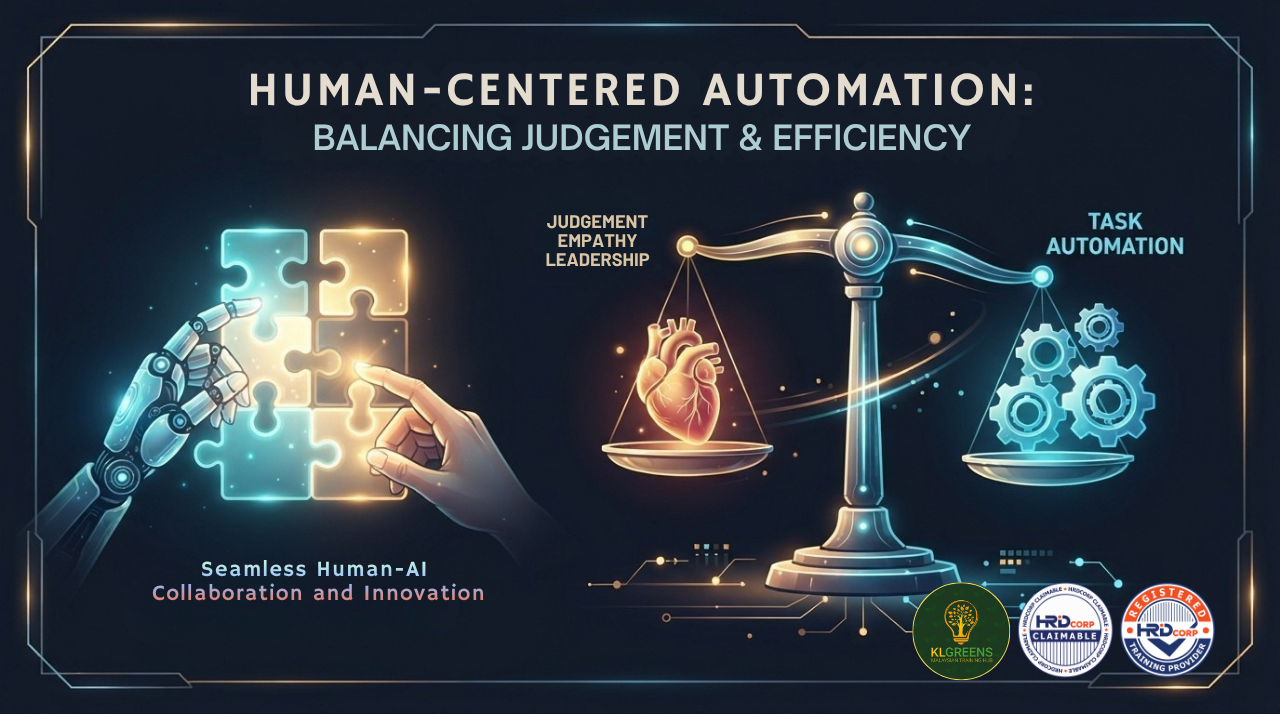
Expect more emphasis on the things AI still can't do well — judgment, empathy, creativity, and accountability.
Which Jobs Are Most — and Least — Affected?
More exposed to significant task-level change:
- Data entry clerks and administrative assistants
- Copywriters and content drafters
- Customer support representatives
- Junior software developers and QA testers
- Paralegals and financial analysts (routine document review)
Less exposed, at least in the near term:
- Skilled trades (electricians, plumbers, mechanics)
- Healthcare providers requiring hands-on care (nurses, physical therapists)
- Teachers and early-childhood educators
- Executives, managers, and strategists making high-stakes decisions
Roles built on trust, negotiation, and relationship management
It's worth noting: "less exposed" doesn't mean "unaffected." Even trades and healthcare are starting to use AI for diagnostics, scheduling, and administrative support. The tools show up everywhere eventually, just not always as a replacement for the core work.
So — Will AI Take Your Job?
For most people, the realistic answer is probably not entirely, but almost certainly partially. The tasks that make up your job will keep shifting. The skills that matter will keep evolving. The employees and job-seekers who adapt, learning to work alongside AI rather than in competition with it, are the ones most likely to come out ahead.
The real question isn't whether AI will change your job. It already is. The better question is: are you changing with it?
This article is provided for general information and professional awareness purposes only. Information may change over time and should not be treated as specific legal, financial or professional advice.