E-invoicing in Malaysia
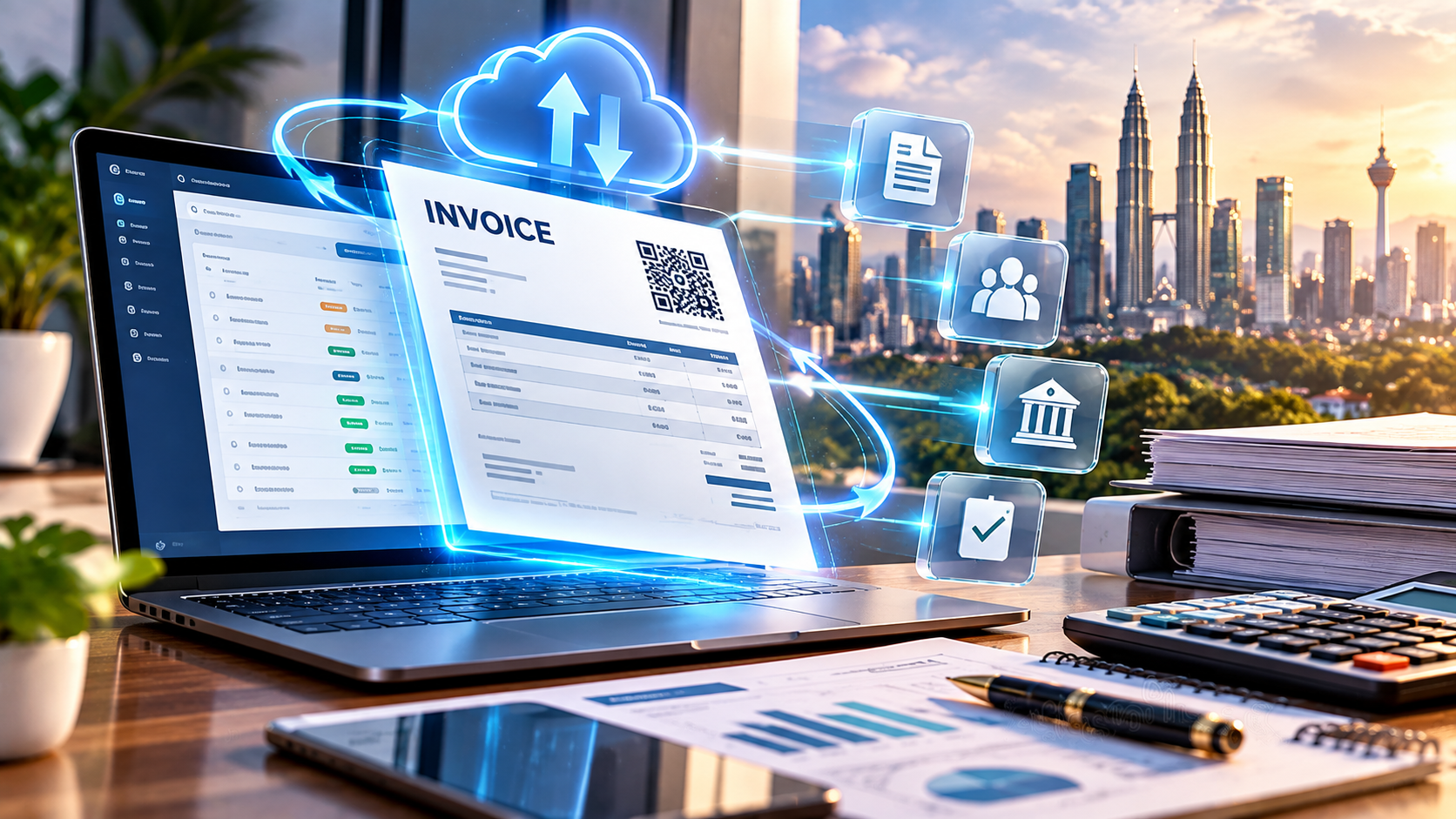
This course is designed to provide you with a comprehensive understanding of e-invoicing, its significance, and how it is implemented in Malaysia. We’ll cover both the theoretical aspects and the practical steps necessary for effective implementation. The second part of this course is designed to enhance your capability of handling E-Invoicing and relate to dairy task and taxation issue handling in E-Invoicing prospective. We’ll lead you practically how to address taxation impact to the corporation.
- Understand the basics of e-invoicing and its regulatory framework in Malaysia.
- Recognize the benefits and challenges of e-invoicing.
- Learn the steps to implement e-invoicing in your organization.
- Navigate and use e-invoicing software effectively.
- Ensure compliance with Malaysian regulations and standards.
- Understand the basics of e-invoicing and its regulatory framework in Malaysia that impact on corporation tax.
- Deal with the variances of accounting figures and E-Invoicing Figures
- Preparation on tax audit
- Best practices in E-Invoicing
- SME Business Owners – who are considering or currently transitioning to digital invoicing systems.
- Entrepreneur / E-Commerce / Traders / Agents /Dealers / Distributors /
- All Manager – Financial / HR/ Sales / Procurement / IT / Admin
- All Staff that making the deal of transaction – HR/ Sales / Procurement / IT / Admin / Sales Support
- All Staff that purchase or expense on behalf of the employer
- All Individual that doing business – SOHO / Freelancer /micro-entrepreneur / mini-entrepreneur
- IT Professionals – IT Facilitator / IT Support / System admin
- Consultants and Advisors who assist SMEs with digital transformation strategies.
- Interactive Lectures: Presentations with visual aids to explain concepts and processes.
- Q&A Sessions: Ample time for participants to ask questions and get detailed answers.
- Feedback Mechanisms: Continuous feedback throughout the workshop to adapt the session to participants’ needs.
Day 1
- Session 1: E-Invoicing Model in Malaysia
- Budget 2024 and latest E-Invoice updates
- Cost and Benefits Analysis for E-Invoicing implementation
- IRBM Myinvois Portal walk through
- Pre-requirement for e-Invoice era
- Session 2 Software Development Kit
- API Overview and Software Development Kit & basic info required
- Your system integration to Myincois Portal
- SESSION 3 Introduction of 3 type of E-Invoices
- Standard E-Invoices
- Consolidated E-Invoices
- Self-Billed E-Invoices
- SESSION 4 Brief on Preparation needed for E-Invoicing Implementation
- Preparing for the E-invoice
- Gap Assessment analysis
- The impact of E-Invoicing and Tax Implications
- SESSION 5 Understand E-invoicing practical Impacts to Business operations
- Address for various departmental involvement
- Q & A / Recap of key topics covered
- Q&A session
- Feedback and evaluation
- Certificates of completion
Day 2
- Module 1 – Recaps of Day 1on various types of E-Invoicing in Malaysia
- Standard / Consolidated / Self-billed
- Module 2 – Special Guidelines in E-Invoicing
(9 Special Guidelines) - Module 3 – Understanding E-Invoice Audit Framework And Impact to Corp. Tax
- Module 4 – E-Invoicing vs. Accounting and reconciliations
- Functionality of Account / Finance department
- Q & A / Recap of key topics covered
- Q&A session
- Feedback and evaluation
- Certificates of completion
You May Also Be Interested In
Explore other training programmes that may complement your learning needs.